Why Humane Wildlife Removal Is Important for Property and Animal Safety
Humane wildlife removal helps protect your property and animals by safely removing unwanted wildlife with the assistance of local service providers experienced in ethical removal methods.
Understanding why humane wildlife removal is important for property and animal safety can help property owners address common issues caused by unwanted wildlife. Animals such as raccoons, squirrels, and bats often seek shelter in attics, crawl spaces, and other hidden areas, which can lead to property damage and health concerns. By exploring humane removal methods, property owners can ensure that animals are relocated safely and ethically, reducing the risk of injury to both people and animals. Local service providers specializing in humane wildlife removal are equipped to handle these situations responsibly, helping to protect property integrity while respecting the well-being of the animals involved.
For property owners in the area, addressing wildlife intrusions promptly can prevent more serious problems down the line. In addition to potential structural damage, animals nesting in or around a property may carry diseases or pests that pose health risks. Humane wildlife removal services offered by local contractors focus on effective, ethical solutions that prioritize animal safety and property protection. Keep reading to learn more about how these services can help maintain a safe, animal-friendly environment while safeguarding your property investment.
- Bird removal - when birds nest in attic vents or eaves, local contractors can safely remove them and prevent future entry.
- Bat exclusion - if bats roost in walls or attics, service providers use humane methods to safely relocate colonies without harm.
- Squirrel trapping - when squirrels invade roof spaces or chimneys, local pros can humanely trap and remove them to protect property.
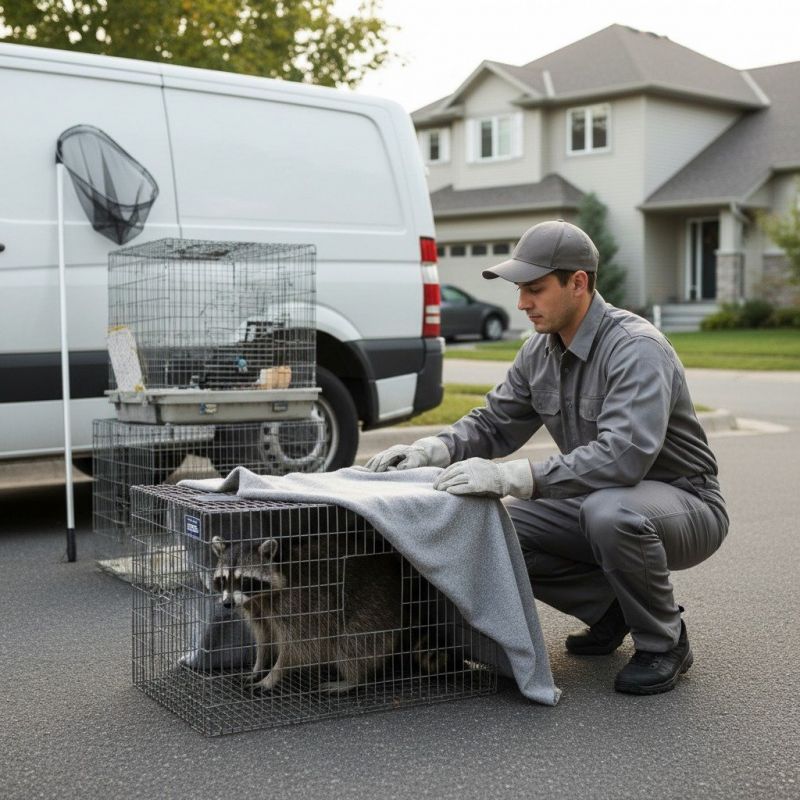
- Raccoon removal - in cases where raccoons have entered attics or crawl spaces, experts implement humane strategies to remove animals and secure entry points.
- Skunk removal - when skunks dig under porches or decks, service providers handle humane removal and help prevent future burrowing issues.
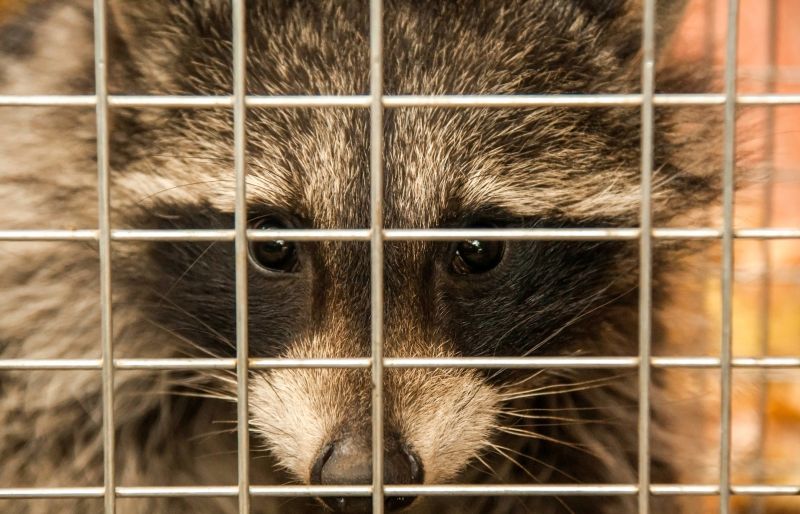
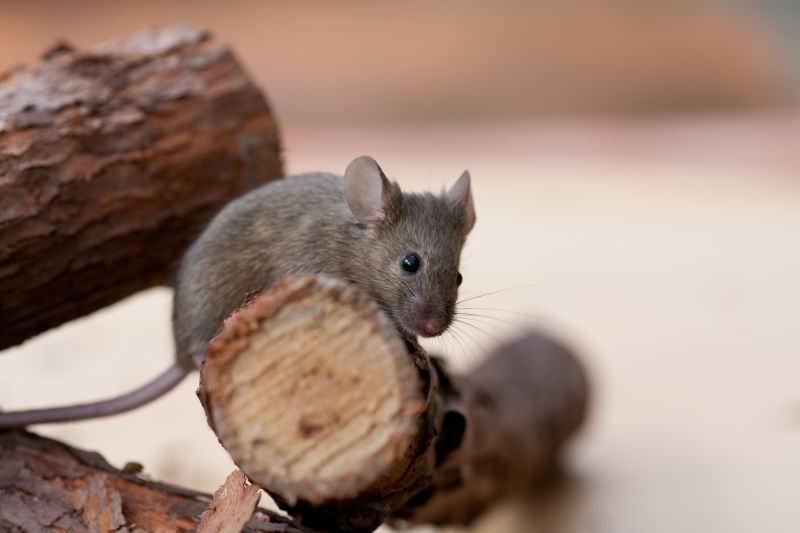
When people search for why humane wildlife removal is important for property and animal safety, they often want to understand how unwanted animals can impact their homes and surroundings. Many are concerned about animals like raccoons, squirrels, bats, or birds that invade attics, walls, or chimneys, causing damage or creating hazards. These searches typically relate to problems such as property damage, noise disturbances, or health risks associated with animal droppings and nesting sites. Homeowners may also be planning to prevent future issues by seeking humane solutions that remove animals safely without harming them, emphasizing the importance of ethical wildlife control practices.
The types of problems connected to this topic usually involve animals gaining access to residential or commercial properties, often through small openings or structural vulnerabilities. Once inside, animals may nest in attics, wall voids, or crawl spaces, leading to damage to insulation, wiring, or building materials. In addition to property damage, there are concerns about animals defecating or urinating in living spaces, which can pose health risks. Property owners often look for humane wildlife removal services to handle these issues responsibly, ensuring animals are relocated safely and prevented from returning. This approach not only protects the property but also prioritizes the well-being of the animals involved.
Properties that frequently come up in these searches include residential homes, especially those with older or poorly maintained structures. Attics, chimneys, and roof eaves are common entry points for wildlife. Commercial buildings, such as warehouses or retail stores, can also experience similar issues, particularly if they have accessible roof spaces or gaps in the building envelope. Additionally, farms or rural properties may encounter wildlife intrusions that threaten livestock or crops. Local service providers specializing in humane wildlife removal are equipped to assess these properties, identify entry points, and implement solutions that remove animals humanely while safeguarding the property's integrity.
Understanding why humane wildlife removal is important for property and animal safety helps homeowners connect the dots between animal intrusions and potential risks to their property and health. Engaging local pros ensures that wildlife is handled ethically and effectively, reducing the likelihood of future problems. These professionals can evaluate the specific needs of each property, recommend appropriate exclusion methods, and ensure animals are relocated without harm. By addressing wildlife issues responsibly, property owners can maintain a safe, clean, and animal-friendly environment, while also preventing the damage and disturbances that unmanaged wildlife can cause.
Bird Control Projects - These projects involve installing deterrents and exclusion devices to prevent birds from nesting on buildings, which aligns with humane wildlife removal practices to protect property and animals.
Rodent Exclusion Services - Local contractors specializing in rodent exclusion use similar planning and tools to safely remove and prevent rodents from entering structures, supporting property and animal safety.
Bat Removal and Exclusion - These projects focus on safely removing bats and sealing entry points, emphasizing humane methods that safeguard both the animals and the property.
Squirrel Damage Repairs - Addressing squirrel entry points and damage repair requires understanding animal behavior and implementing humane exclusion strategies to prevent future issues.
Pest Prevention Consulting - Consulting services help property owners develop plans that incorporate humane removal techniques and exclusion methods to maintain safe environments for animals and structures.
Wildlife Habitat Modification - These projects involve modifying landscapes or structures to make them less attractive to wildlife, supporting humane removal efforts and property protection.
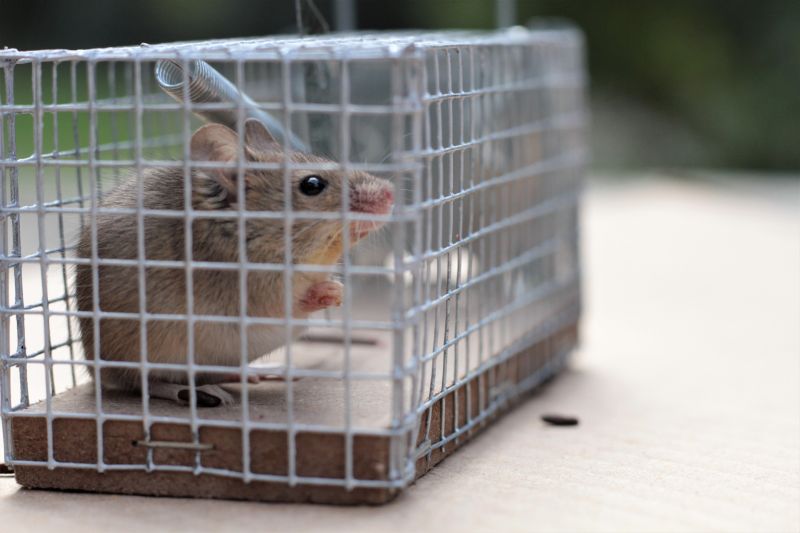
When evaluating local contractors for humane wildlife removal, experience with similar projects is a key factor to consider. An established service provider with a history of handling wildlife issues comparable to those on the property can offer insights into effective and ethical removal methods. Their familiarity with local wildlife behaviors and common entry points can contribute to a more efficient process, reducing the likelihood of recurring issues. Homeowners should seek out service providers who can demonstrate a track record of successful wildlife removals in the area, ensuring that the contractor understands the nuances of humane practices specific to the local environment.
Clear written expectations are essential when selecting a wildlife removal service. A reputable contractor should be able to outline the scope of work, including the humane methods they employ, the steps involved in the removal process, and any post-removal recommendations. Having this information in writing helps prevent misunderstandings and ensures that the homeowner’s concerns about animal safety and property protection are addressed upfront. It also provides a reference point for any questions or issues that may arise during or after the project, fostering transparency and trust throughout the process.
Good communication and reputable references are vital indicators of a dependable service provider. Homeowners should inquire about previous clients’ experiences and seek references that can attest to the contractor’s professionalism and adherence to humane practices. A contractor who communicates clearly and promptly, answers questions thoroughly, and provides detailed explanations about their methods can help build confidence in their ability to handle the project responsibly. Reliable references and consistent communication are signs that the contractor values customer satisfaction and is committed to performing humane wildlife removal that respects both property safety and animal welfare.
Property owners often search for why humane wildlife removal is important for property and animal safety when they are planning practical projects around their homes and businesses. Local pros provide Humane Wildlife Removal services for everyday jobs and straightforward project options.
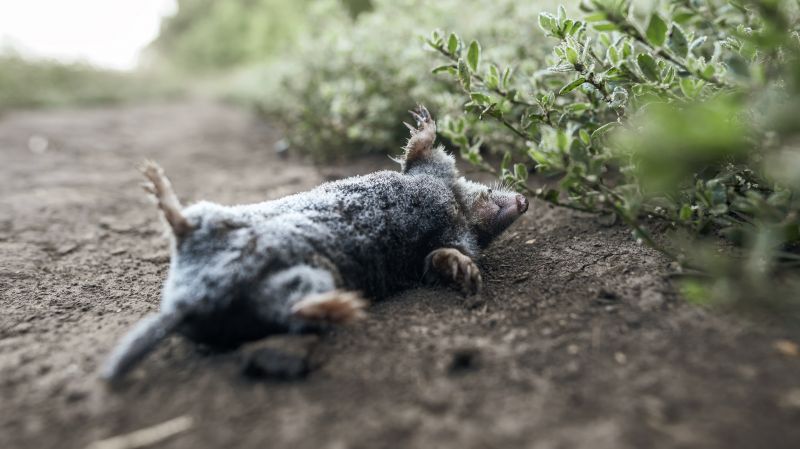
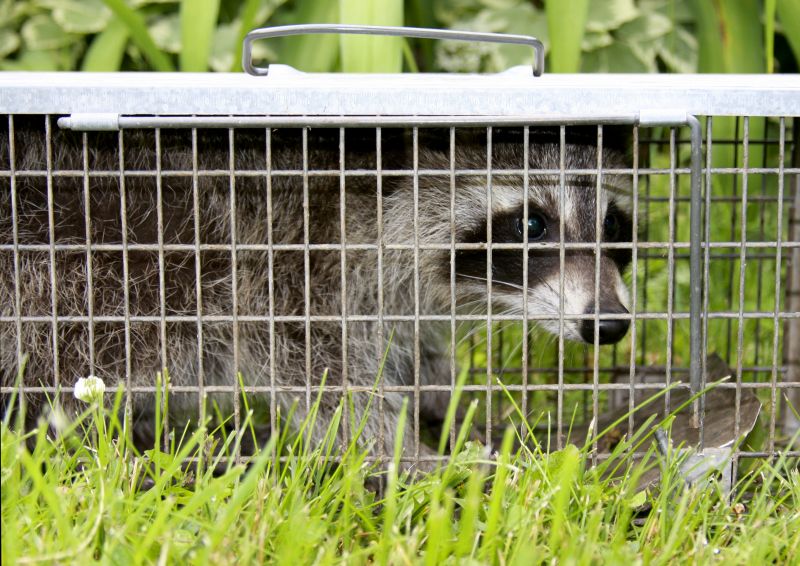
Understanding why humane wildlife removal is important for property and animal safety can help property owners address common issues caused by local wildlife. Animals such as raccoons, squirrels, bats, and birds often seek shelter in attics, walls, or crawl spaces, which can lead to property damage or unsanitary conditions. Engaging with local contractors who specialize in humane removal ensures that animals are relocated safely and ethically, reducing the risk of injury to both the animals and inhabitants. Proper removal also helps prevent animals from returning or causing further damage, making it a practical step for maintaining a safe and well-preserved property.
Many property owners look into humane wildlife removal services to avoid potential health hazards and structural problems. Animals that take refuge in buildings can carry parasites or diseases that pose risks to residents. Additionally, their nesting or burrowing activities can weaken building foundations, create leaks, or block ventilation systems. Local service providers equipped with humane removal methods can address these issues effectively, ensuring animals are removed without harm and that property integrity is maintained. This approach not only protects the property but also aligns with ethical treatment of wildlife, making it a responsible choice for property owners.
Why is humane wildlife removal important for property safety? Humane wildlife removal helps prevent property damage caused by animals such as chewed wiring, insulation destruction, and structural harm, ensuring the safety and integrity of the property.
How does humane wildlife removal contribute to animal safety? It ensures animals are relocated safely without injury, reducing the risk of injury to both animals and humans during removal processes.
What are the risks of ignoring wildlife infestations on property? Ignoring wildlife can lead to increased damage, potential disease transmission, and safety hazards due to animals nesting or entering living spaces.
How do local service providers help maintain property safety through humane removal? They use humane techniques to remove animals and implement exclusion methods to prevent future entry, protecting both property and animal welfare.
Why should property owners choose humane wildlife removal services? These services prioritize safe and effective animal removal, minimizing harm and ensuring long-term property protection without causing unnecessary stress to wildlife.
Identify entry points - property owners can inspect their buildings for gaps or holes and have local contractors seal them to prevent wildlife from entering.
Remove attractants - clearing clutter, securing trash, and eliminating food sources can reduce wildlife presence, with local pros assisting in safe removal.
Implement exclusion methods - installing barriers or one-way doors can help wildlife leave structures safely, with local service providers handling the installation.
Schedule humane removal - engaging local pros for humane trapping and relocation ensures animals are removed safely without harm, protecting property and animal welfare.
If you are thinking about why humane wildlife removal is important for property and animal safety for a property, this guide is meant to help you understand this topic, the typical project types, and how different options might fit your plans.
When you are ready, you can use the quote form on this page to share a few details about your project. From there, local pros can review the basics and follow up with options that match what you have in mind.