What to Expect During Professional Wildlife Removal Service
People seeking wildlife removal typically want safe, humane removal of animals from their property, and local service providers can handle the process professionally and effectively.
If you’re wondering what to expect during professional wildlife removal service, you’ve come to the right place. Property owners in the area often seek out these services to address unexpected wildlife intrusions that can cause property damage or pose health concerns. Understanding the typical process can help ease any concerns and prepare you for what’s involved. Local contractors specializing in wildlife removal usually begin with a thorough inspection to identify how animals are gaining access and what damage has occurred. This initial step ensures that the removal process is effective and that any necessary repairs or preventative measures are considered.
During the removal process, wildlife professionals focus on humane and efficient techniques to safely remove animals from the property. They often use specialized tools and methods tailored to the specific species involved, ensuring minimal disruption to your space. After animals are removed, many service providers also offer exclusion services to prevent future intrusions. Knowing what to expect during professional wildlife removal service can help property owners feel more confident about the process and understand how these local experts can help restore safety and peace of mind to their homes or businesses. Keep reading to learn more about how these services work and what steps are typically involved.
- Bat removal - when bats roost in attics or walls, local contractors assess the situation and safely remove the colony.
- Squirrel exclusion - if squirrels are nesting in roof spaces or chimneys, local service providers implement humane exclusion methods.
- Raccoon trapping - raccoons in crawl spaces or chimneys prompt local pros to set traps and remove animals humanely.
- Bird control - when birds nest on rooftops or eaves, local contractors provide deterrents and removal solutions.
- Skunk removal - skunks under porches or decks lead local pros to handle the removal carefully to prevent property damage.
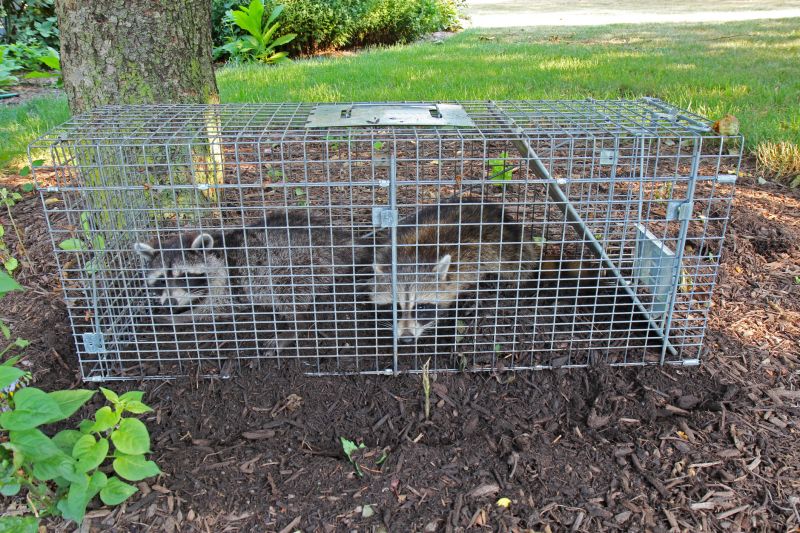
When people search for what to expect during professional wildlife removal service, they typically want to understand how the process unfolds and what is involved in resolving wildlife-related issues. This often relates to situations where animals such as raccoons, squirrels, bats, or birds have entered a property and are causing damage or posing health concerns. Homeowners usually seek guidance on how wildlife professionals handle these encounters, what steps are taken to remove animals humanely, and how the property is protected from future invasions. Knowing what to expect helps reduce anxiety and prepares residents for the steps involved in resolving their wildlife problems effectively.
The problems that lead homeowners to seek wildlife removal services are diverse but generally involve animals nesting within structures, creating noise, or leaving droppings that can impact health. Plans often include identifying entry points, safely removing the animals, and sealing those access points to prevent re-entry. Many property owners also want to ensure that the removal process is discreet and humane, especially when dealing with protected or sensitive species like bats or migratory birds. Local service providers typically tailor their approach to each situation, assessing the specific type of wildlife involved and the extent of the problem to develop an effective removal plan.
Properties that commonly come up during wildlife removal projects include residential homes, attics, garages, sheds, and sometimes commercial buildings. Homes with extensive rooflines, gaps in siding, or poorly sealed vents are especially vulnerable to animal intrusions. Attics often become prime nesting spots for animals seeking shelter or warmth, making them a frequent focus during removal services. Additionally, structures near wooded areas, water sources, or other natural habitats tend to attract wildlife, increasing the likelihood of encounters. Local contractors are experienced in working with various property types, ensuring that the removal process is adapted to the specific layout and construction of each site.
During professional wildlife removal service, homeowners can generally expect a thorough assessment of the property, followed by the safe removal of the animals involved. The process often begins with a visual inspection to locate entry points and identify signs of activity. Once animals are trapped or guided out, the focus shifts to sealing off access points to prevent future invasions. Service providers may also perform cleanup tasks, such as removing droppings or nests, to restore the property’s cleanliness and safety. Throughout the process, property owners are typically kept informed about the steps being taken, and the goal is to resolve the wildlife issue efficiently while minimizing disruption to the household.
Attic Insulation Removal - professionals often handle insulation removal when wildlife has contaminated or damaged it, requiring careful planning and specialized tools similar to those used in wildlife exclusion.
Exclusion and Sealing Projects - many service providers specialize in sealing entry points and installing barriers to prevent future wildlife intrusions, mirroring the planning involved in wildlife removal.
Rodent Proofing Services - local contractors may offer rodent-proofing, which involves identifying and sealing access points, a skill set closely related to wildlife exclusion techniques.
Bird Control and Netting - installing bird deterrents and netting requires understanding animal behavior and precise installation methods similar to wildlife removal procedures.
Attic Restoration and Cleanup - after wildlife removal, contractors often perform cleanup and restoration of affected areas, requiring attention to detail and contamination control skills.
Pest Deterrent Installations - installing deterrents such as spikes or repellents involves planning and installation skills comparable to those used in wildlife exclusion and removal services.
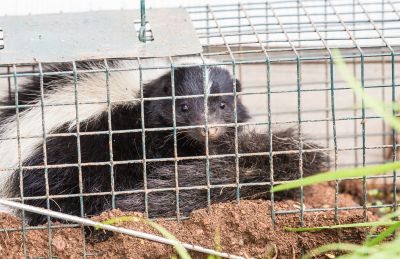
When evaluating wildlife removal service providers, it is important to consider their experience with similar projects. Homeowners should seek out local contractors who have a proven track record handling wildlife issues comparable to their situation, whether it involves raccoons in the attic, squirrels in the walls, or bird nests in eaves. An experienced professional is more likely to understand the nuances of different wildlife behaviors and effective removal techniques, which can contribute to a smoother process and help ensure the problem is addressed thoroughly.
Clear written expectations are also a key factor when comparing local wildlife removal services. Pros who provide detailed, upfront descriptions of their process, what services are included, and any potential follow-up steps can help homeowners understand what to anticipate during wildlife removal service. Having this information in writing fosters transparency and helps prevent misunderstandings, ensuring that both parties are aligned on the scope of work and the methods used.
Reputable references and good communication are essential qualities to consider when choosing a service provider. Homeowners should look for local contractors who can provide references or reviews from previous clients, indicating a history of reliable service. Additionally, good communication-whether through prompt responses, clear explanations, or willingness to answer questions-can make the entire experience more manageable. These qualities help ensure that the homeowner feels informed and confident throughout the process, leading to a more positive outcome during wildlife removal service.
Property owners often search for what to expect during professional wildlife removal service when they are planning practical projects around their homes and businesses. Local pros provide Wildlife Removal services for everyday jobs and straightforward project options.
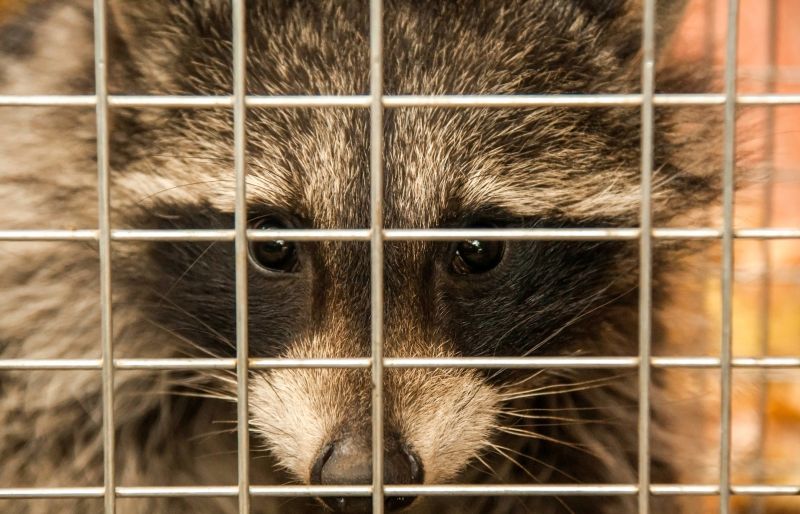
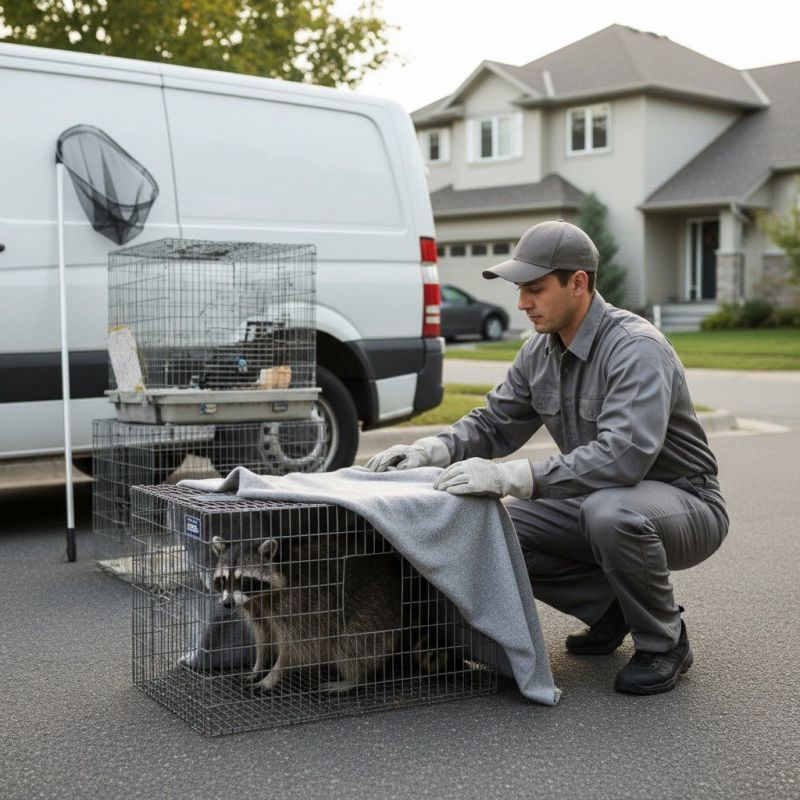
During professional wildlife removal service, property owners can generally expect a thorough assessment of the affected areas to identify how animals are entering and residing on the property. Local contractors often begin by inspecting attics, walls, and rooflines to determine the extent of the wildlife presence. They may also look for signs like droppings, damage, or nests that indicate recent activity. This initial evaluation helps set the foundation for an effective removal process and ensures that the wildlife is safely and humanely relocated without causing unnecessary disruption to the property.
Once the assessment is complete, service providers typically proceed with targeted removal techniques tailored to the specific animals involved. This could involve setting humane traps, sealing entry points, or installing exclusion devices to prevent future intrusions. Property owners should expect the process to be straightforward, with the emphasis on safety and animal welfare. After the wildlife is removed, many local contractors offer advice on how to prevent future encounters, such as repairs or modifications to vulnerable areas. Overall, this professional approach aims to resolve wildlife issues efficiently while minimizing inconvenience to the property owner.
What should I expect during professional wildlife removal service? During the service, local contractors typically inspect the property to identify the wildlife problem, then use humane methods to remove the animals and secure entry points to prevent re-entry.
Will the wildlife removal process be disruptive? The process is generally designed to minimize disruption, with most local service providers working efficiently to remove animals and restore the affected areas promptly.
Are there any steps involved after wildlife removal? After removal, local pros often clean and repair any damage caused by wildlife and may offer advice on preventing future issues.
What safety measures are taken during wildlife removal? Local contractors usually take precautions to ensure safety for both residents and animals, using appropriate equipment and humane techniques throughout the process.
How do wildlife removal services ensure animals are handled humanely? Reputable local service providers prioritize humane removal methods, ensuring animals are relocated or released in accordance with best practices.
Inspection Process - Local contractors will conduct a thorough assessment of the property to identify wildlife entry points and nesting areas. This helps property owners understand where animals may be hiding or gaining access. Such inspections are essential for planning an effective removal strategy.
Safe Wildlife Handling - During the service, professionals will humanely trap and remove animals, ensuring safety for both the wildlife and residents. Property owners can expect the use of humane methods that prevent injury or stress to the animals involved.
Exclusion and Repairs - After removal, local service providers often seal entry points and make necessary repairs to prevent future infestations. Property owners can apply these repairs to maintain a wildlife-free environment and protect their property.
Cleanup and Prevention Advice - The process may include cleaning up droppings and nesting materials, along with providing tips on how to prevent wildlife from returning. This guidance helps property owners maintain a clean and wildlife-resistant space over time.
If you are thinking about what to expect during professional wildlife removal service for a property, this guide is meant to help you understand this topic, the typical project types, and how different options might fit your plans.
When you are ready, you can use the quote form on this page to share a few details about your project. From there, local pros can review the basics and follow up with options that match what you have in mind.