How Wildlife Can Damage Roofs, Attics, and Insulation
People seeking wildlife removal often want to prevent damage to roofs, attics, and insulation, and local service providers can safely remove animals and repair affected areas.
Understanding how wildlife can damage roofs, attics, and insulation is an important step for property owners looking to protect their homes. Animals such as raccoons, squirrels, bats, and birds often seek shelter in attics and roof spaces, which can lead to structural damage, compromised insulation, and even health concerns. If these creatures find ways inside, they may gnaw on wiring, cause leaks, or create nests that block proper ventilation. Recognizing the signs of wildlife intrusion and knowing the potential risks can help homeowners take proactive steps to safeguard their property.
Local contractors specializing in wildlife removal are equipped to address these issues effectively. They can identify points of entry, safely remove unwanted animals, and help restore the integrity of roofs, attics, and insulation. Exploring this topic is especially relevant for property owners who want to prevent costly repairs and maintain a safe, comfortable home environment. Keep reading to learn more about how wildlife can impact your property and how experienced service providers can assist in resolving these common challenges.
- Homeowners noticing damage or signs of wildlife intrusion may seek local pros to assess and remove animals from roofs, attics, and insulation. - When animals like raccoons or squirrels have caused insulation to become contaminated or damaged, local contractors can safely remove and replace affected materials. - Signs of chewed wiring or structural damage in attics often lead property owners to consult local wildlife removal specialists for humane animal exclusion. - If persistent odors or pest droppings are found in the attic, local pros can identify the source and implement effective wildlife exclusion methods. - Damage caused by wildlife digging or nesting can compromise roof integrity, prompting homeowners to connect with local service providers for repairs and prevention.
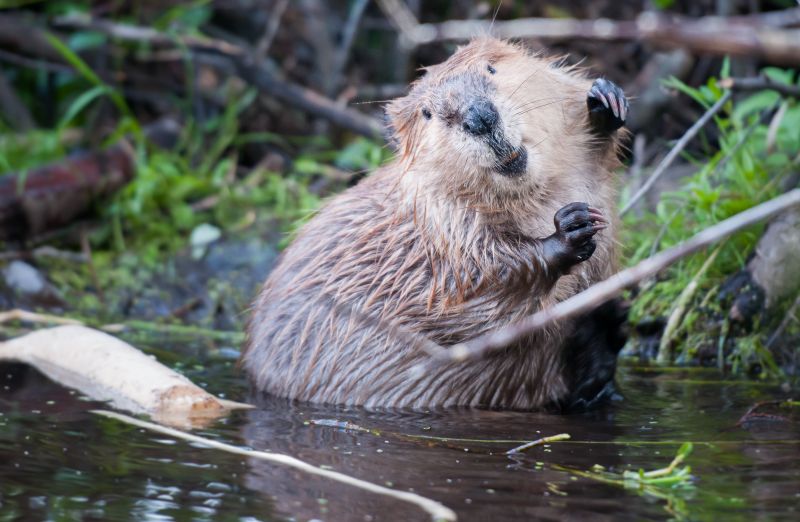
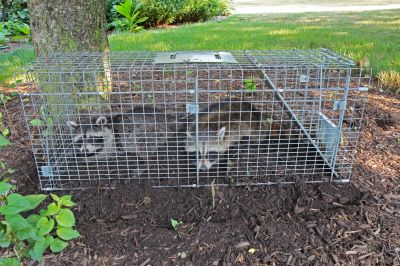
When homeowners search for information about how wildlife can damage roofs, attics, and insulation, they are often concerned about unexpected repairs and property damage caused by animals seeking shelter. Many people notice signs like strange noises in the attic, droppings, or nests near the roofline, prompting questions about whether wildlife has infiltrated their property. This topic is closely related to issues of pest prevention and property maintenance, as animals such as raccoons, squirrels, bats, and birds can cause significant damage if they gain access to the roof or attic space. Understanding how wildlife can impact these areas helps homeowners identify potential problems early and consider the importance of professional wildlife removal services to address existing issues.
The problems associated with wildlife damage often involve structural harm and compromised insulation. Animals that enter roofs and attics may chew through wood, wiring, or insulation materials, creating entry points and worsening the damage over time. For example, rodents can gnaw on electrical wires, increasing the risk of fire hazards, while larger animals like raccoons and squirrels may tear insulation apart, reducing its effectiveness and leading to higher energy costs. Additionally, nests built by birds or small mammals can block vents or drainage systems, causing water damage or moisture buildup. These issues highlight the importance of inspecting roofs and attics regularly and engaging local service providers who specialize in wildlife removal and damage repair.
Certain types of properties tend to be more vulnerable to wildlife damage, especially those with accessible rooflines or older structures. Homes with gaps in soffits, vents, or eaves provide easy entry points for animals searching for shelter or nesting sites. Attics that are poorly insulated or lack proper sealing are also attractive to wildlife, particularly during colder months when animals seek warmth. Rural properties, barns, and outbuildings are often at higher risk because they are more exposed to wildlife activity and may have less frequent maintenance. Recognizing these property characteristics can help homeowners prioritize inspections and work with local contractors who can implement effective exclusion and repair measures to prevent wildlife from causing damage.
Local wildlife removal professionals play a crucial role in addressing the damage caused by animals and preventing future issues. They can identify how wildlife gains access to roofs and attics, remove animals safely, and recommend repairs to seal entry points. Beyond removal, these service providers often assist with restoring insulation, repairing structural damage, and installing barriers to deter wildlife from returning. Working with experienced local contractors ensures that damage is properly assessed and that solutions are tailored to the specific property and wildlife activity. This comprehensive approach helps homeowners protect their property from ongoing wildlife-related issues and maintain a safe, intact roof and attic space.
Roof Inspection and Repair - Professionals who assess and fix roof damage caused by wildlife can help prevent further deterioration and protect the home’s structure.
Attic Restoration Services - These services focus on restoring attics after wildlife intrusion, ensuring insulation and framing are properly repaired and protected.
Insulation Replacement - Local contractors specializing in insulation can remove contaminated or damaged insulation resulting from wildlife activity.
Pest and Animal Proofing - Experts in sealing entry points and wildlife-proofing homes help prevent future damage from animals seeking shelter.
Gutter and Vent Repair - Repairing and maintaining gutters and vents can reduce wildlife access points that lead to attic and roof damage.
Structural Damage Assessment - Service providers evaluate the extent of damage to roof and attic structures caused by wildlife, guiding necessary repairs.
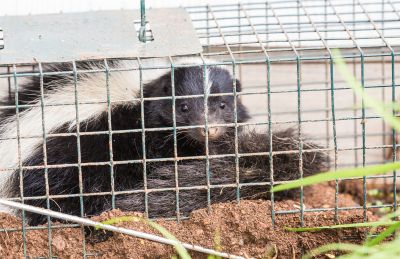
When evaluating wildlife removal service providers, it is important to consider their experience with similar projects involving damage to roofs, attics, and insulation caused by wildlife. An experienced contractor will have a better understanding of the common entry points, nesting habits, and potential damage wildlife can cause in these areas. This familiarity can lead to more effective removal strategies and help ensure that the wildlife is safely and thoroughly removed, reducing the likelihood of recurring issues. Asking about previous work related to wildlife damage in residential settings can provide insight into a service provider’s practical knowledge and ability to handle the specific challenges associated with wildlife-inflicted damage.
Clear written expectations are essential when comparing local contractors for wildlife removal services. A reputable service provider should be able to outline the scope of work, including inspection, wildlife removal, damage repair, and prevention measures. Having detailed, written descriptions helps prevent misunderstandings and ensures that all aspects of the project are addressed. It is also beneficial to inquire about what is included in the service and what might be considered additional work. Clear communication about expectations helps homeowners feel confident that the chosen professional understands the extent of the damage and the necessary steps to protect the home from future wildlife incursions.
Reputable references and strong communication practices are key indicators of a reliable wildlife removal service provider. References from past clients can offer valuable insights into the contractor’s professionalism, effectiveness, and ability to handle wildlife-related damage. Good communication throughout the process-such as responsiveness to questions and clarity in explaining procedures-can make the experience smoother and more transparent. When comparing local service providers, it is advisable to seek out those who prioritize open dialogue and have a track record of satisfied customers. This approach helps ensure that the homeowner receives attentive service and that the wildlife damage issues are addressed thoroughly and professionally.
Property owners often search for how wildlife can damage roofs, attics, and insulation when they are planning practical projects around their homes and businesses. Local pros provide Wildlife Removal services for everyday jobs and straightforward project options.
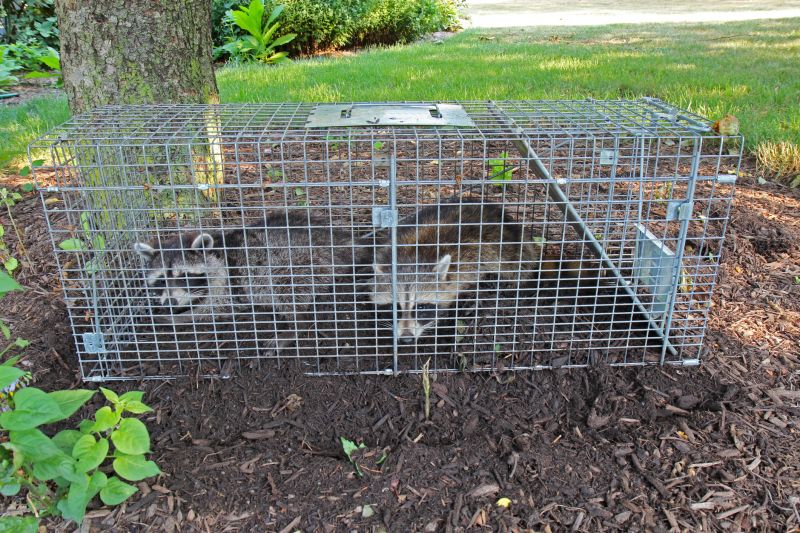
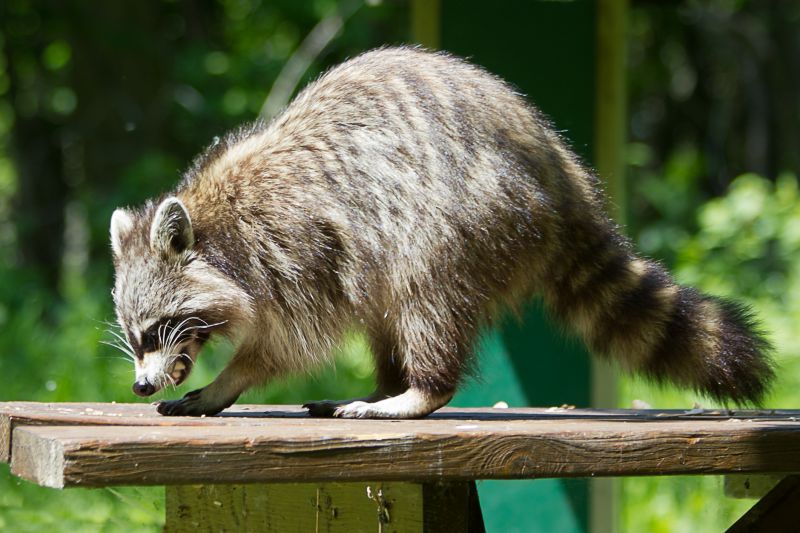
Wildlife can cause significant damage to roofs, attics, and insulation, especially when animals such as raccoons, squirrels, or birds find their way into a property. Common situations include animals tearing through roof vents, gnawing on woodwork, or creating nests in hidden attic spaces. These intrusions can lead to structural issues, leaks, and compromised insulation, which may reduce energy efficiency and increase the risk of further damage. Property owners noticing signs of wildlife activity often seek the expertise of local contractors experienced in wildlife removal to address these issues promptly and prevent ongoing damage.
Understanding how wildlife can damage a home highlights the importance of professional removal services to safely and effectively handle these situations. Local service providers can assess entry points, remove animals, and implement repairs to block future access. This helps protect the roof, attic, and insulation from further harm while ensuring the property remains secure. For those concerned about wildlife-related damage, connecting with experienced local contractors can provide peace of mind and a reliable solution to restore the integrity of the home.
How can wildlife damage roofs and attics? Wildlife such as raccoons, squirrels, and birds can cause damage by chewing through roofing materials, nesting in attic spaces, and creating entry points that lead to further structural issues.
What types of damage can wildlife cause to insulation? Wildlife can disturb or remove insulation, leading to reduced thermal efficiency, moisture buildup, and potential mold growth in the attic or roof space.
How do wildlife pests typically enter roofs and attics? They often gain entry through gaps, damaged vents, or broken shingles, and local contractors can identify and seal these access points to prevent further damage.
Why is it important to remove wildlife that has damaged my roof or attic? Removing wildlife helps prevent ongoing damage, reduces health risks from droppings or parasites, and protects the structural integrity of the roof and insulation.
How can local wildlife removal services help repair damage caused by animals? Service providers can safely remove pests, seal entry points, and recommend repairs to restore the roof, attic, and insulation to prevent future wildlife issues.
Identify wildlife entry points - Assessing and sealing gaps or holes in the roof and attic can prevent animals from gaining access and causing damage.
Inspect and reinforce insulation - Local contractors can help evaluate insulation for signs of animal intrusion and recommend proper repairs to maintain effectiveness.
Implement exclusion barriers - Installing barriers around vents, chimneys, and roof vents can deter wildlife from nesting or damaging roof components.
Schedule regular inspections - Routine checks by wildlife removal services can catch early signs of damage or animal activity before extensive harm occurs.
If you are thinking about how wildlife can damage roofs, attics, and insulation for a property, this guide is meant to help you understand this topic, the typical project types, and how different options might fit your plans.
When you are ready, you can use the quote form on this page to share a few details about your project. From there, local pros can review the basics and follow up with options that match what you have in mind.